Tip 01
Get comfortable
Find a comfortable sitting position, as infusions can take 1 to 2 hours.
Practical guidance gathered from thousands of patients and clinicians. Watch the full walkthrough, or browse the individual tips below at your own pace.
A few essentials about needle insertion, infusion site selection, and gauge sizing that will help you get the most out of every session.
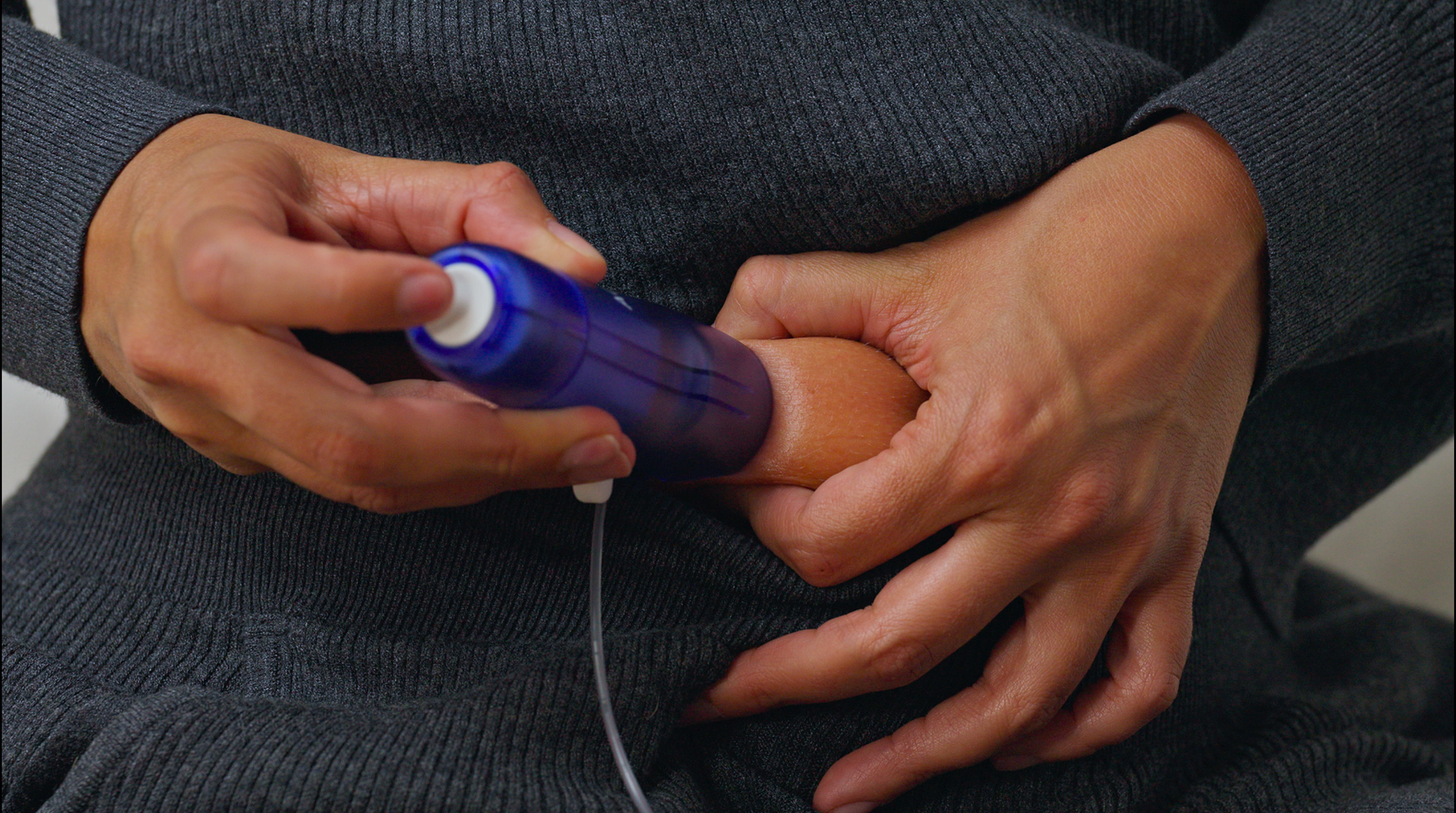
90 degree needle insertion is one of the most important factors for a successful infusion. The AccuSert needle inserter can help facilitate 90 degree insertion while keeping the needle enclosed and out of view during insertion.
Needle lengths vary, with shorter needles often used for areas like the arms and longer ones for places like the thighs or abdomen. Your nurse, pharmacist, or doctor can help recommend the best size based on where you're infusing and your personal needs.
Selecting an ideal site for infusion or injection, it's important to choose areas of the body with sufficient fatty tissue to support proper absorption. Common locations include the front or outer thighs, the abdomen (avoiding a two-inch radius around the navel), the side of the upper hips, or the back of the upper arms. To minimize irritation and ensure consistent delivery, sites should be spaced at least two inches apart, or as otherwise directed by the drug's prescribing information or monograph. Rotating sites with each administration can also help maintain healthy tissue and prevent complications.
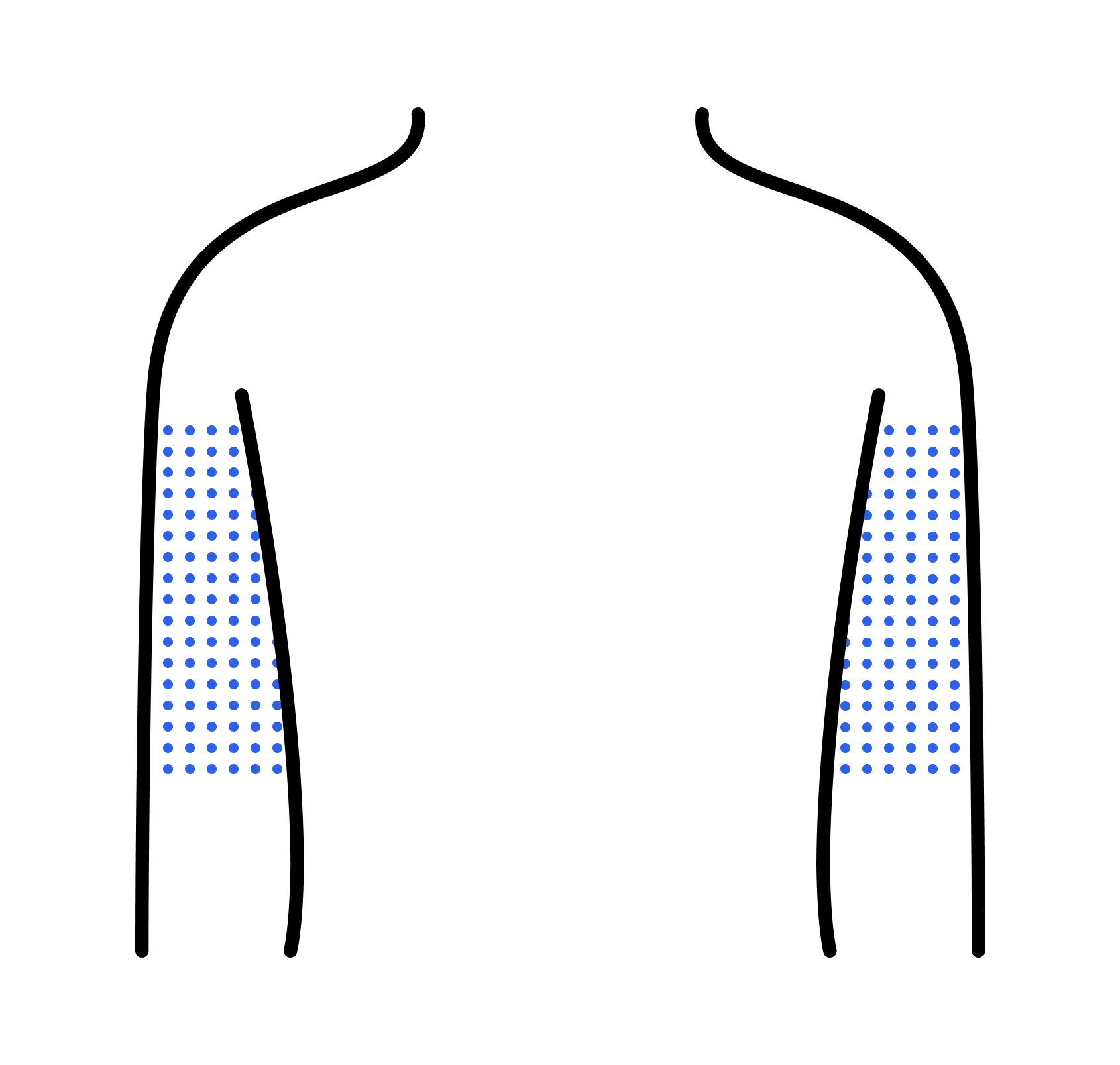 Back of arms
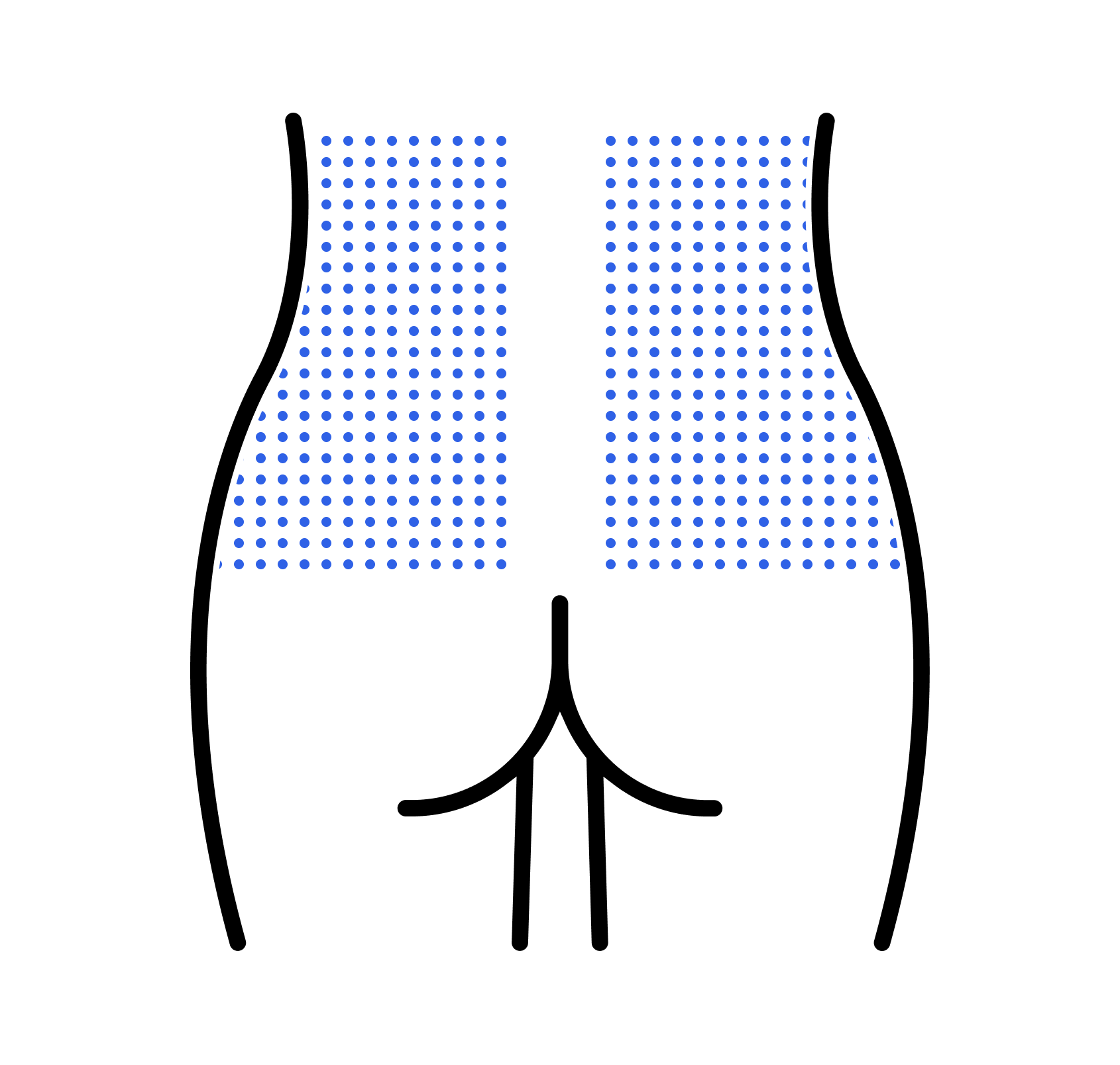 Side of upper hips
 Abdomen
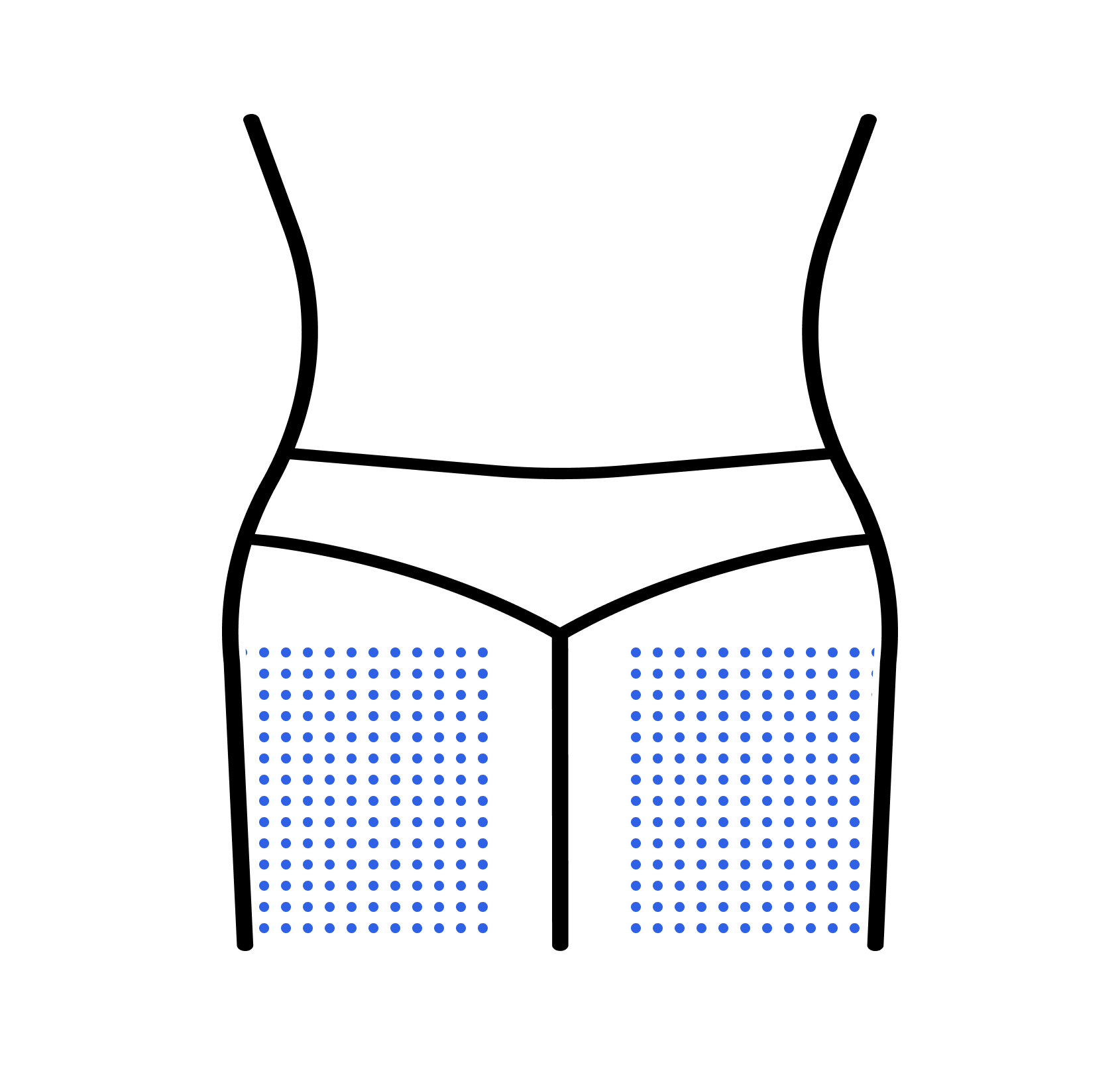 Thighs

Make sure to take advantage of Soft-Site's patented adhesive-less window technology to easily remove needle sets from their infusion sites.
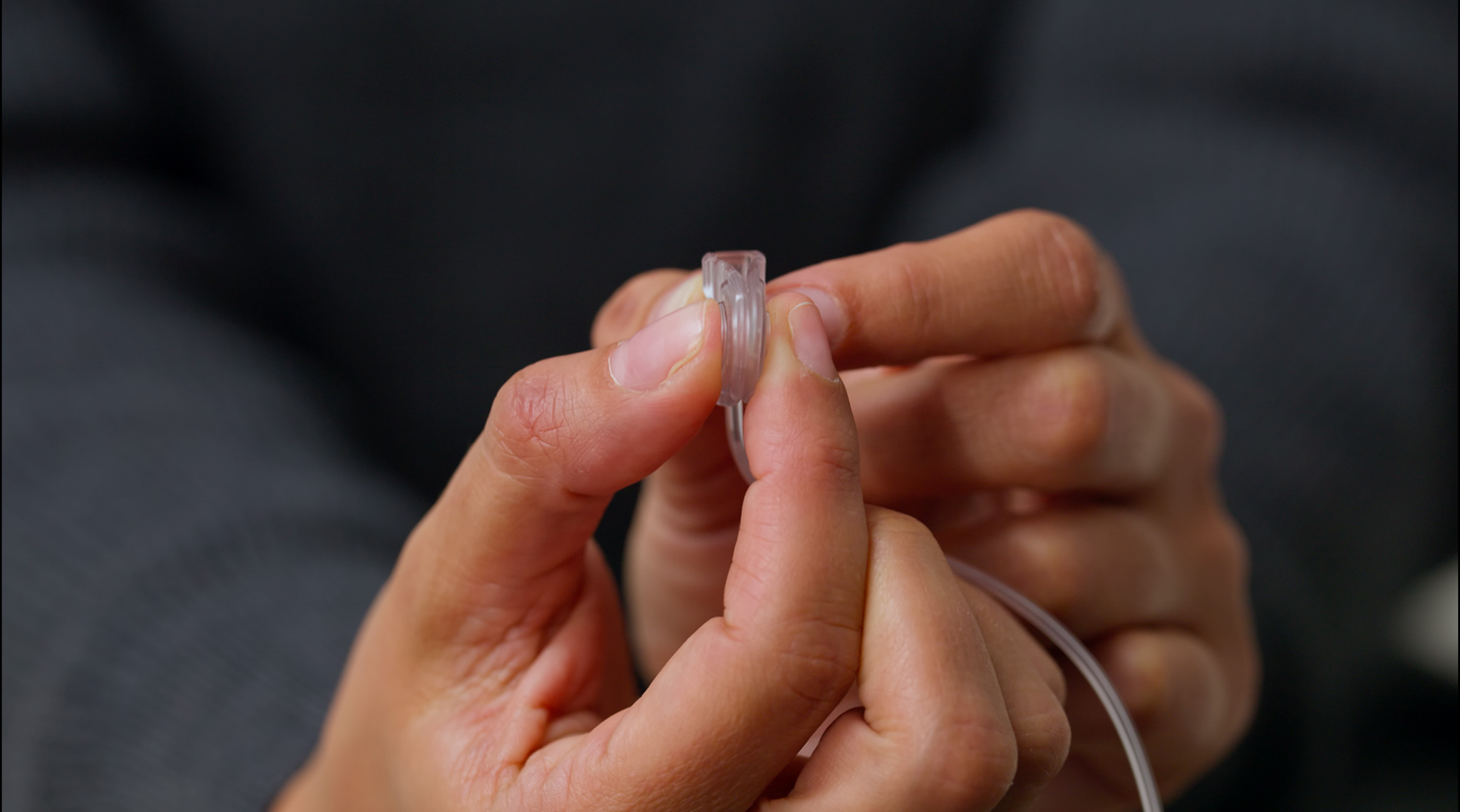
Leverage OPTFlow and Soft-Glide's safety mechanism to prevent needle pricks and keep your infusion as safe as possible.
Finding the right needle for your subcutaneous infusion can make a big difference in how comfortable and easy your treatment feels. Needles come in different thicknesses, called gauges. Common sizes include 24, 26, and 27 gauge. A higher number like 27 means a thinner needle, which can be more comfortable, while a lower number like 24 is slightly thicker and may help infusions go a little faster.
Each tip below covers a moment in the infusion process. Swipe through them as a quick reference, or revisit them whenever you need a refresher.
Find a comfortable sitting position, as infusions can take 1 to 2 hours.
Try to keep your pump at the same level as the infusion sites for a more consistent flow rate.
Periodically check that the syringe plunger is moving and the drug is being administered in line with your estimated infusion time.
Monitor the infusion sites periodically for swelling, redness, or discomfort.
Stay vigilant for any leaking at the site. If you experience leaking, you may require a longer needle length. Talk to your healthcare provider for guidance.
Try to avoid excessive movement during your infusion as this can contribute to local site reactions. Patients are often comfortable walking around, especially if using the travel pouch.
Discontinue therapy immediately and contact your healthcare provider if you experience an adverse reaction. If dizziness or pain occurs, pause the infusion and consult your healthcare professional.
If you have any questions, you can contact the EMED Team or your healthcare provider for more information.
Our support team is ready to help. Leave us a message and we will get back to you very soon.
Get in touch